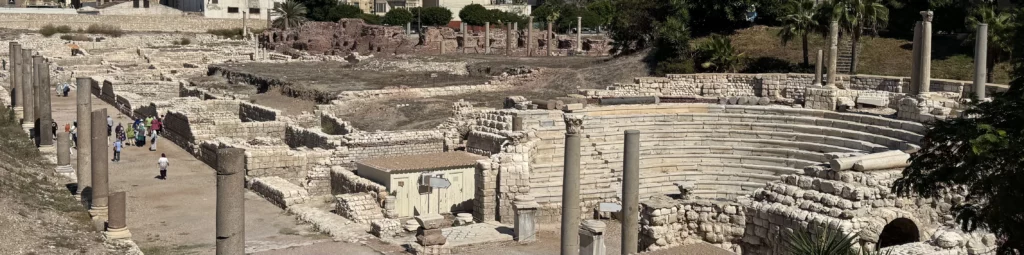
Fascinating Egypt after the Pharaohs
Between the end of the pharaohs and the beginning of the Arab period, Egypt experienced an era that would prove no less world-changing than its ancient golden age. With the Egyptian invention of monasticism, a new way of life was developed that was embraced by the Western world. It played a decisive role in spreading and transforming the Christian religion across vast parts of the globe over the centuries.
In Egypt, Eastern and Western cultures collided. Following the Greek conquest by Alexander the Great and the subsequent Roman conquest by Julius Caesar, Oriental and Occidental languages met. Greek myths and philosophy encountered the far older Egyptian pantheon, shaping a multicultural society.
The desert sand preserved a true wealth of papyri and parchments, which do not merely offer insight into Egyptian culture and daily life. These texts from the early centuries—written in Greek and Coptic—enrich our overall knowledge of early Christianity. Today, computer-assisted methods are used to process the abundance of discovered material in order to reconstruct the development of the New Testament and its original text.
The major manuscript discoveries of Nag Hammadi and Medinet Madi brought entire libraries of Gnostic and Manichaean texts into the light of academic research.
However, this culture can only be understood with the proper background knowledge. Only by understanding connections, placing seemingly alien phenomena into evolutionary context, and taking a closer second look can we bring clarity to the diversity of this fascinating Coptic culture.
Siegfried G. Richter
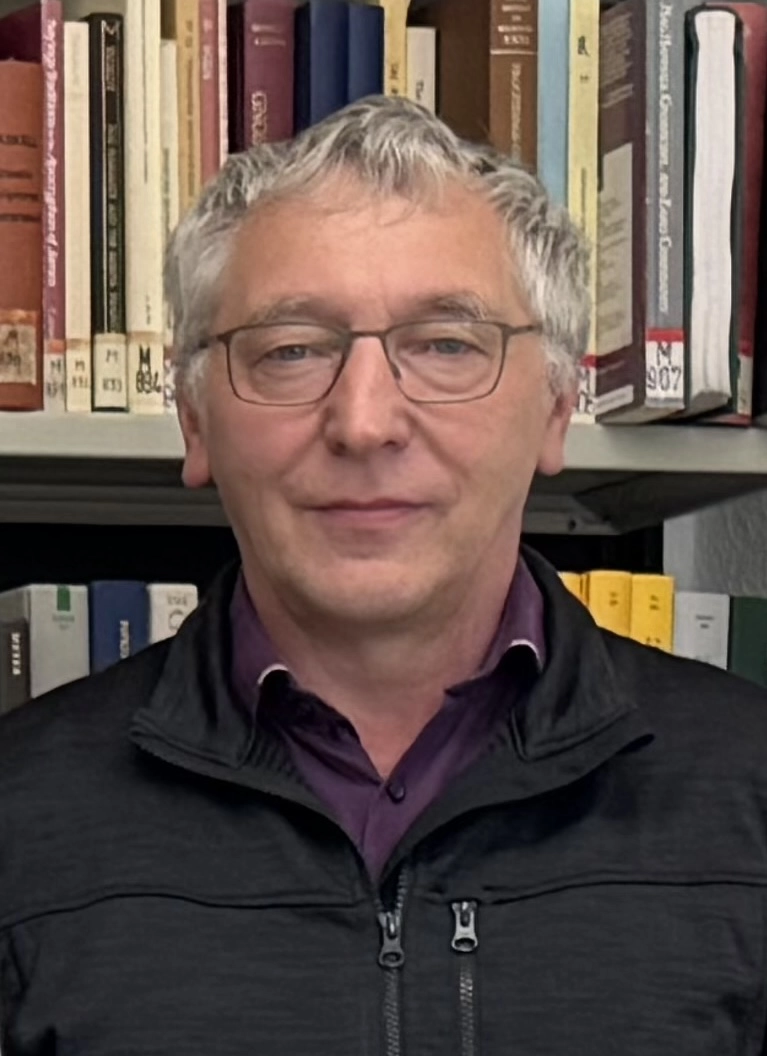
Siegfried G. Richter
Siegfried G. Richter is a professor of Coptology (außerplanmäßiger Pro-fessor) at the University of Münster (Germany). His research and teaching focus on late antique Coptic Egypt, the Christian period in Nubia, and the study of Manichaeism.
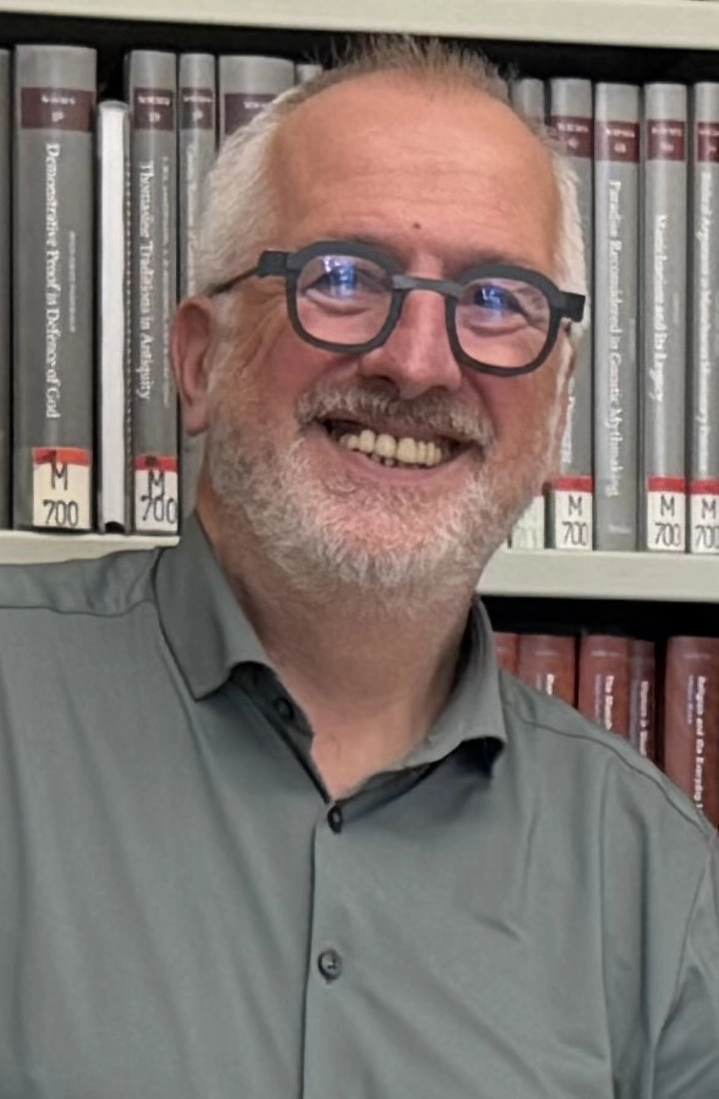
Paul Van Lindt
Paul Van Lindt is a researcher from Grimbergen (Belgium) who specializes in Coptic-Manichaean texts and their digital editing; he also has a passion for Late Antique Egypt.
aegyptus.org
This website focuses on Egypt in the Roman and Byzantine period. The main purpose is to publish articles on different aspects of life in this period and to inform on recent discoveries or activities related to this period.
On the homepage the most recent articles are presented. All articles can be found under ‘topics’.
More elaborated themes are explored in the ‘Aegyptus files’ consisting of different articles on the same subject.
‘About us’ tells more about the initiators behind the website and the purpose of the website.
If you wish to contact us with ideas, suggestions or comments, you can contact us through the ‘contact’-page.